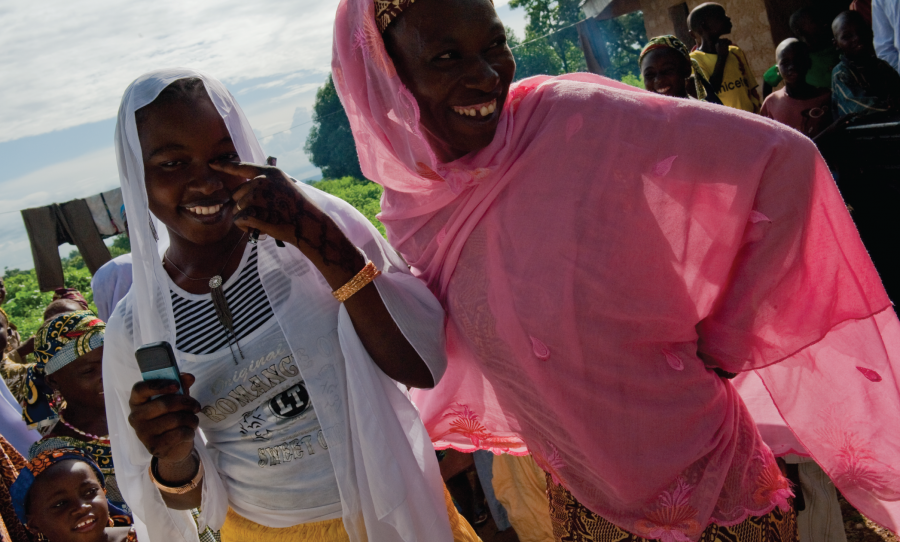
Beyond Coverage: Why Nigerian Women Need Health Information They Can Use
Prudence Enema and Kenneth Ibe (Lead writers) Health communication is more than sharing health behaviour, decision-making, and outcomes. For many Nigerian women,…
... View More


Prudence Enema and Kenneth Ibe (Lead writers) Health communication is more than sharing health behaviour, decision-making, and outcomes. For many Nigerian women,…
... View More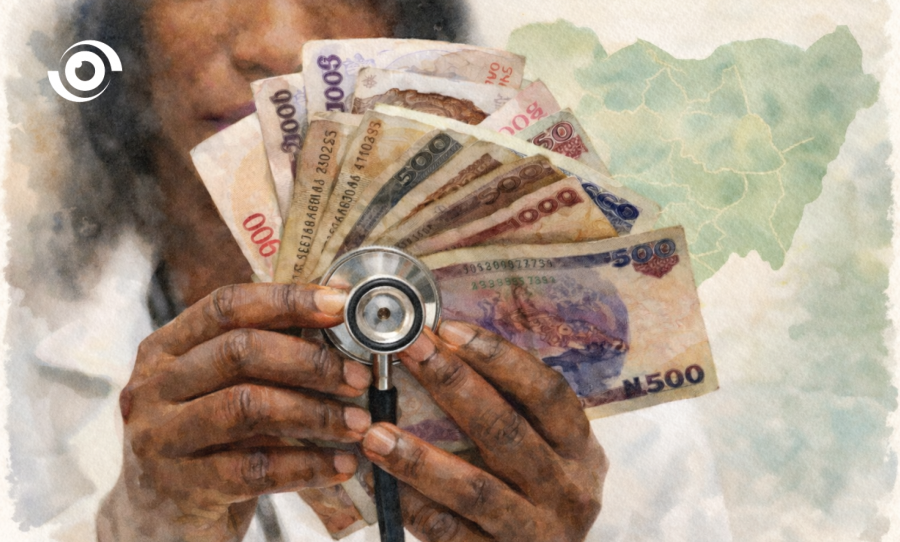
Solomon Yemi Oladimeji (Lead writer)In Nigeria’s federal health system, the question of who pays for healthcare is just as important as who…
... View More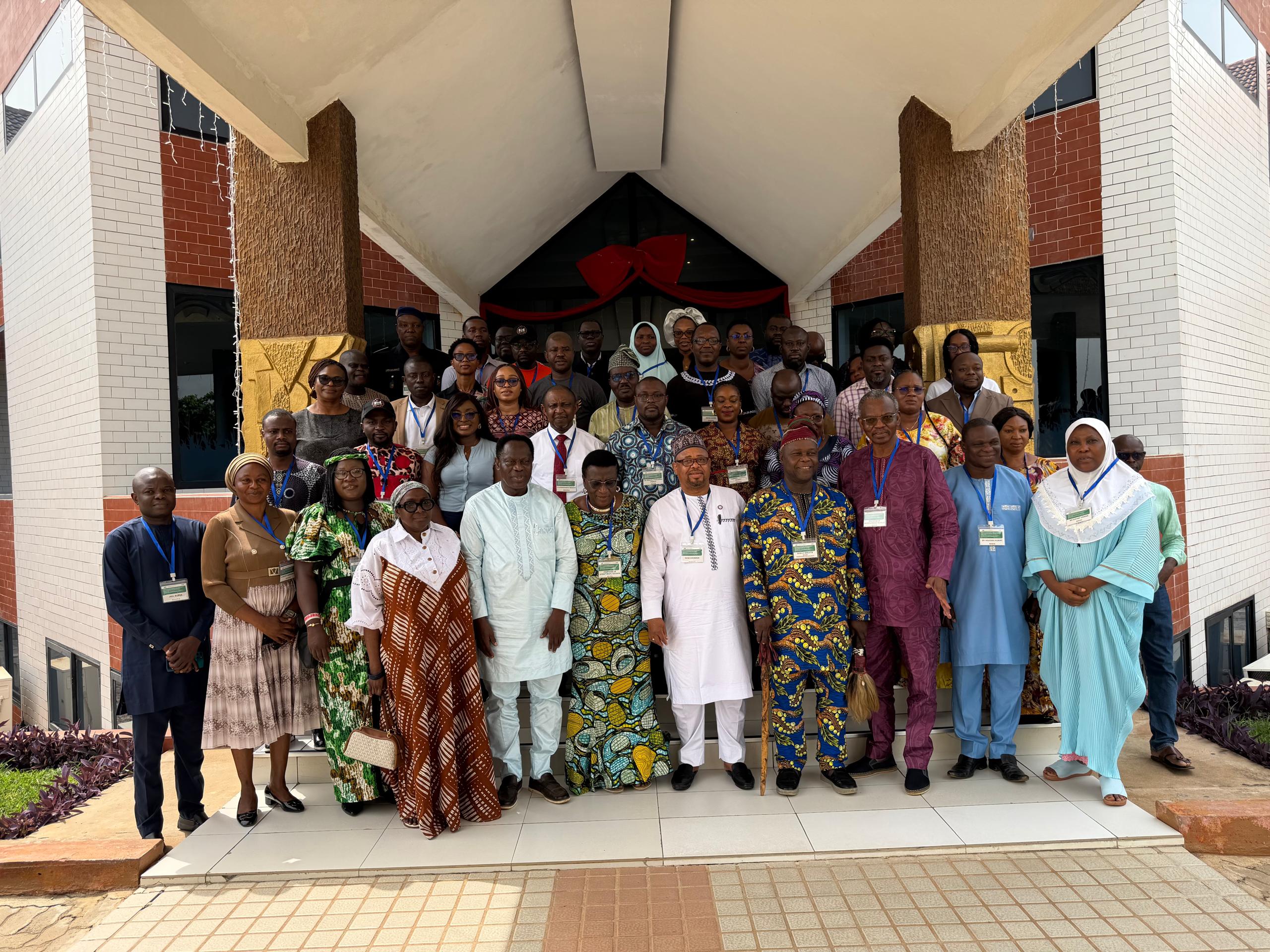
Dr Adachi Ekeh, Dr Aishat Usman, Dr Achille Batonon, Dr Virgil Lokossou (Lead writers)In Grand-Popo, where rivers cut across landscapes without regard…
... View MoreTelling the whole story about solutions to health problems across Africa.
Read all stories hereEvery week, we curate the top job opportunities in the Nigerian Health sector for you.
Check out the latest jobsOur Annual Report captures all the activities we have done in a calendar year.
READ MORE
Nigeria Health Watch is a critical component of the work we do at the Nigeria Centre for Disease Control and Prevention towards protecting the health of Nigerians. NHW continues to amplify the work being done at NCDC as well as nationwide towards strengthening health security and advancing healthcare in Nigeria. We are grateful for our partnership and your continued advocacy for improved funding for epidemic preparedness and especially support towards risk communications during the COVID-19 pandemic.
I have had the honour of working with Nigeria Health Watch for over 5 years and have witnessed the exponential growth and reach of the platform. As a health leader and cancer advocate, I value the importance of accurate data and information. With Nigeria Health Watch, I am always assured of.
Nigeria Health Watch is a powerful voice for healthcare development in Africa. Through solutions-based journalism, creative storytelling, and policy advocacy, they continue to transform the way healthcare is reported, discussed, and perceived by everyone, particularly policymakers. The energy and professionalism they bring to projects are unmatched and I can attest that they have closed a longstanding gap in health communications in Nigeria.


